Why Glazed Creosote Requires Professional Attention
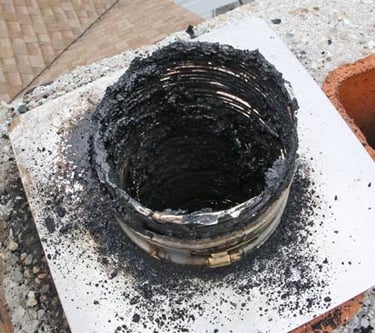
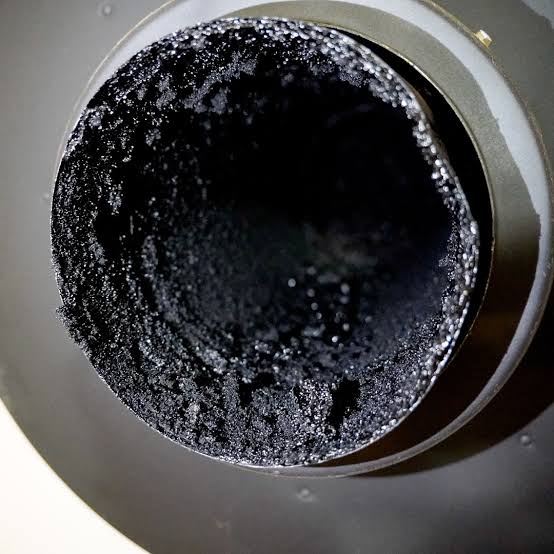
A shiny, black coating inside your chimney flue may look harmless, but it can be one of the most dangerous conditions affecting a fireplace. Known as stage 3 creosote, this hardened, tar-like residue is highly combustible and cannot be removed with routine chimney sweeping. If you notice a glossy buildup inside your flue or fireplace, stop using it immediately and schedule a professional chimney inspection. Prompt removal significantly reduces the risk of a chimney fire and helps restore your fireplace to safe operating condition.
Understanding Glazed Creosote
Whenever wood burns, it produces smoke containing moisture, gases, and unburned particles. As these byproducts travel through a chimney, they condense onto the interior walls and gradually form tar like creosote deposits. Without regular chimney maintenance, these deposits continue to accumulate and harden over time.
Creosote generally develops in three stages:
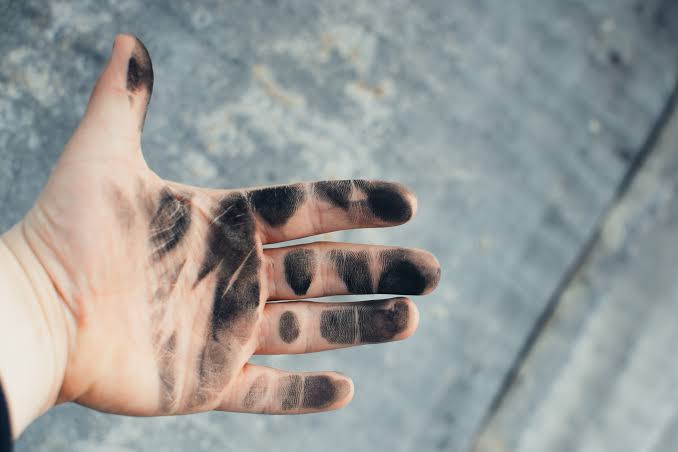
Stage 1: A light, dusty layer of soot that is typically removed during a standard chimney sweeping.
Stage 2: A thicker, flaky buildup that requires specialized brushes and more extensive cleaning.
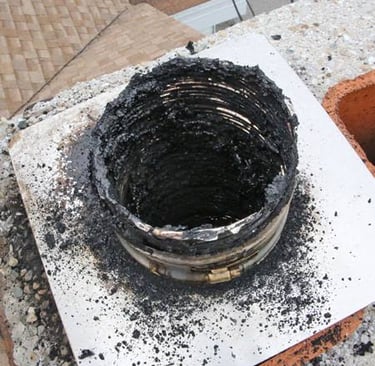
Stage 3: A dense, glossy coating that resembles hardened tar or black glass. This glaze firmly adheres to the chimney liner and requires professional removal techniques.
Stage 3 creosote is especially hazardous because it burns intensely once ignited, producing temperatures capable of damaging chimney liners, masonry, and nearby combustible materials.
The Risks of Stage 3 Creosote
Ignoring glazed creosote can lead to serious safety concerns. It can increase the likelihood of a chimney fire caused by highly combustible deposits. Damage may occur in clay flue tiles, stainless steel liners, and masonry components. The buildups can also reduced chimney drafts allowing smoke or carbon monoxide to enter the home. These drafts create persistent smoky odors and poor fireplace performance and in total can lead to costly structural repairs resulting from excessive heat during a chimney fire. Removing stage 3 creosote as soon as it is discovered is one of the most effective ways to protect both your home and your family.
Warning Signs to Watch For:
If you notice any of the following you may have advanced creosote buildup:
A shiny, black coating inside the chimney that resembles hardened tar.
Heavy deposits that cannot be removed with normal chimney brushes.
Strong smoky odors, even when the fireplace is not in use.
Smoke backing into the room while burning fires.
Difficulty establishing or maintaining a proper draft.
A history of burning wet or unseasoned firewood or allowing fires to smolder for extended periods.
If any of these symptoms are present, avoid using your fireplace until your chimney has been professionally inspected.
Why Homeowners Shouldn't Remove Stage 3 Creosote Themselves
Unlike ordinary soot, glazed creosote bonds tightly to chimney surfaces and cannot be safely removed using common chimney brushes or consumer cleaning products. Attempting to remove it yourself can leave dangerous deposits behind, damage clay or metal chimney liners, and spread soot and other contaminants throughout your home. An amateur removal could also conceal underlying problems such as cracked flue liners or damaged masonry creating additional safety hazards if improper tools or chemicals are used.
Certified chimney professionals have access to specialized rotary equipment, inspection cameras, and removal techniques specifically designed for hardened creosote deposits.
What to Expect During Professional Creosote Removal
Every chimney is different, but a professional stage 3 creosote removal typically includes:
Protecting the work area by setting up dust-control equipment before performing a complete chimney inspection, including a video scan of the flue. We determine the safest removal method based on the amount and location of the buildup before using professional rotary cleaning systems and specialized tools to carefully remove hardened glaze. At the end we conduct a final camera inspection to verify the chimney is clean and structurally sound and provide recommendations for any repairs or maintenance needed before the fireplace is returned to service.
Schedule a chimney inspection today.
If you've discovered shiny black creosote inside your fireplace or chimney, don't wait until it becomes a fire hazard. A professional chimney inspection can determine the severity of the buildup and identify the safest solution for your home. Addressing stage 3 creosote early helps prevent expensive repairs, improves fireplace performance, and provides peace of mind every time you light a fire.
What should I do if there is black tar in fireplace?
Other FAQs About Creosote In Chimneys
Is the white haze dangerous?
No. White film is usually just a normal byproduct of operation so it's ok to treat it like oven window haze. However if you see heavy soot, strong odors, or a big change in flame pattern, shut the unit off and call Joliet Chimney Services.
How often should I clean the glass?
Plan on once or twice a season is ideal for light use, and every 1 to 2 months for frequent use. White haze is much easier to manage with a quick wipe as soon as you notice it.
Can I use regular window cleaner or vinegar?
The best cleaner to use would be the cleaner made for gas fireplace or ceramic glass and approved by your manufacturer specifically. Ammonia-based window cleaners can damage coatings and vinegar can be risky if your glass has a protective layer.
My logs look out of place. Can I rearrange them?
No. Gas logs are engineered to sit in specific spots for proper airflow and flame shape. Moving them can cause sooting or overheating. Check your manual or have Elite Chimney reset them during a tune-up.